

30 Day Flow: Day 7
Duration: 00:20:40
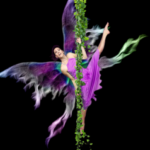
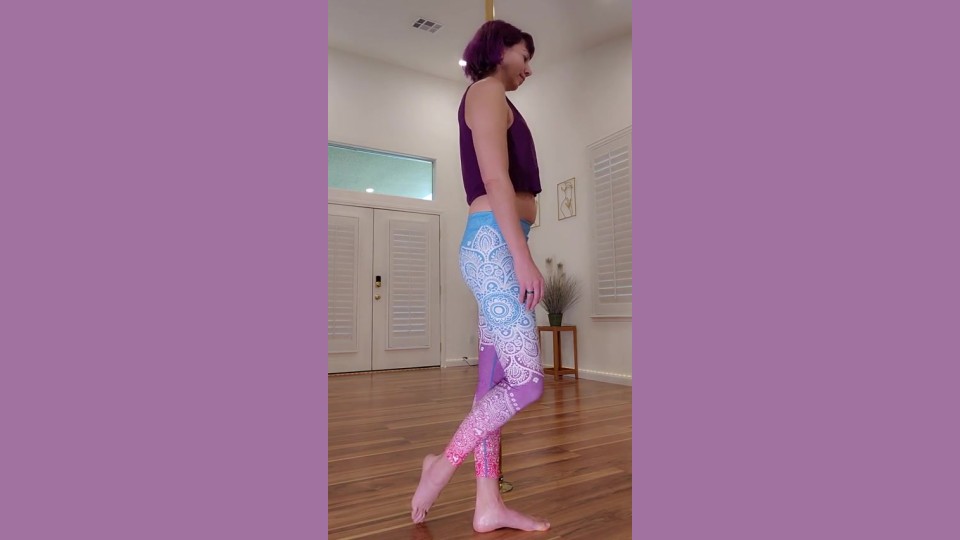
Today is a full rest day as we’ve done a lot over the past week! I’ve included two different kinds of flow pole dance video for you to watch, and take notes if you like. The first video is from 2016 and includes tricks, the second video is from 2025 and is focused on moving slowly as part of the practice. I’ve also included my walking meditation, which is optional, but highly recommended. See the Pro tip for more on this.
Pro tip: Speaking of moving slowly, this can be a huge challenge for all of us! Below I’ve provided some insight as to why it’s so hard to train yourself to focus on moving slowly:
Psychological and cultural factors:
- Chronic stress: A hyper-aroused nervous system, often caused by prolonged stress or trauma, makes it hard for the body to shift out of a “fight-or-flight” state.
- Cultural conditioning: Modern culture often equates being busy and productive with success, making rest feel lazy or like a waste of time.
- Mindset: A fear of not being “enough” or a mindset of scarcity can create anxiety and impatience, making it hard to be still and slow down.
Physical and biological factors:
- Control and coordination: The human brain organizes movement in a way that makes very slow, precise motions difficult, even though slower movement often makes a task easier.
- Inefficient movement: When you move slowly, you may become aware of habitual, jerky, or inefficient movement patterns that require more muscle activation and effort than they would at a faster pace.
- Muscle and joint issues: As we age, a natural loss of muscle strength, flexibility, and slower reaction times can make any movement more difficult.
- Fatigue: Poor posture or inefficient muscle use during slow movement can lead to faster fatigue compared to using more muscles in a coordinated way.
Here’s the link for more advanced combos https://www.studioveena.com/lessons/view_category/quick-lessons
Day 7 done, at the end i added a couple crucifix and a full body stretch.
Oh i also did 30 shoulder presses from my couch..
hi there!! Im just trying to navigate how to go through the program..are there instructions on how to do the front hook to back hook before trying? ( i just signed up for the two week trial and hope to figure this out soon, thanks)
Yes! I suggest going through the level 1-3 programs before any others. Even if you’re not a beginner, this is because my method of teaching is not like others. Here are the links for front hook https://www.studioveena.com/lessons/view/5f1351ac-0abc-4c0d-8d31-4642ac110005 and back hook https://www.studioveena.com/lessons/view/5e7e4417-bec0-419b-8852-5610ac110005 These should be very solid before putting them together.
great thank you for the response! your videos have been excellent, and easy to follow so far! im really excited about learning from you!
Day7
Flow 4 yes flow 5 yes , flow 6 a little messy, flow 7 hmm ok need to be a bit higher, an 8 mm ok apart from the easy up where you kick your legs out to stand a little confused 🤔 but great laugh xx ❤️
I’m pretty sure we do these again so let me know if you want any help next time for the one that feels awkward
Thank you an I will ,
Gonna watch them again today as it’s a rest day
The awkward parts are the shoulder slide with body waves and the last part of flow 8 but that’s it really xx♥️