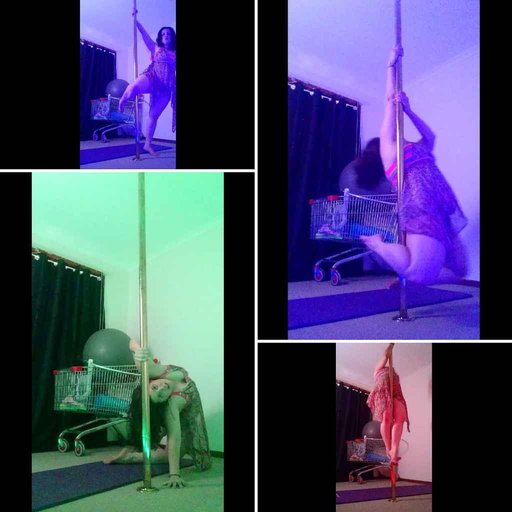
Hey there!
It can be really, really hard to hear everyone around you talk about this stuff, and not do it yourself. It's a common problem, as we are social creatures, and we're pretty smart, so not only do we mimic physical behaviours in order to fit in with the others around us, but also mental and emotional behaviours. It helps us all "fit together" so that we can get along.
However, since we're not all in the wild and living in a tribal way anymore, we don't necessarily have to participate in those behaviours- we can even go away and find other people who are more like the way we want to be, and fit with our own values. It's scary, but it's definitely beneficial.
Dealing with your own negative self-talk is tough all on it's own, and it's hard to look at ourselves and think we are beautiful all the way through, and not judge or nitpick our bodies. It's sort of built into a lot of our media, including television and those magazines you see at the side of cash registers. We hear it talked about by other people, and there are a lot of things twisted up in this problem (things like being told we need to be attractive for men, or that we are less valuable if we aren't attractive, and even that our physical size is an indicator of how much we love and take care of ourselves, despite it being absolutely nothing to do with that).
When it comes to other people's self-talk, though, that's a whole different thing. I think about it this way: Ten percent of what we think is actually what comes out of our mouths. So, if you hear things like "I wish I could do this move, but my thighs are too big," you're only hearing 10% of what that person puts themselves through about those supposedly big thighs.
How are you supposed to compete with that kind of constant horrible inner influence?
You're not.
The way you talk to yourself can also change your filter. When someone says "Size 16/18 is disgusting" they are not saying that YOU are disgusting, they are stating their opinion, based on some kind of ridiculous generalization they've made about what that size looks like.
It's like people around me saying "Oh, I used to be 200lbs but it was so horrible." They aren't saying *I* am horrible, they are saying that their account of being that weight was horrible, or that they expect ALL people to look and feel the way they did when they weigh 200lbs.
And it's somewhat funny when I confront people about it. Now and then I'll have to give my weight (for example, when I renewed my Driver's licence), or I'll be discussing it and wanting to make a point. I either ask them for their opinion (Usually somewhere between 130 and 160 pounds) or I'll simply give it, and I get the old "Up and down" look, and they say, "What, really?"
Yes, really. I weigh that much, I'm the fittest I've ever been, and I still wear a size 12. Probably gonna go up, too, because those pants can't handle the incredible muscle I've made in my thighs and rear. I no longer wear knee-high socks, because they also can't handle my muscles.
So, generally, don't try to change someone else's self-talk, because that's a losing battle and will take far, far more effort than you can afford.
Change your own self-talk, and with it, your perspective of what people are actually saying. You can translate their words. Instead of "Omg that's huge," translate that into "I think of people that size in a sweeping generalization based on what society and the media tells me, as well as my own body type, and I'm going to agree with the person speaking so that we can all get along and validate the work and suffering we think we all have to go through in order to be considered attractive to society's fucked up beliefs around beauty, even though men don't actually subscribe to it, and I'm actually getting my information from biased sources."
It's easier than writing it all out, and it gets easier with practice.