Hi folks!
All this talk of caterpillar and the trouble it poses made me wonder if some talk of technique might be helpful, so I wanted to share the method I use for the climbing caterpillar. This is not the only way to perform this move, and it's not necessarily the right way, it is only a way to do it.
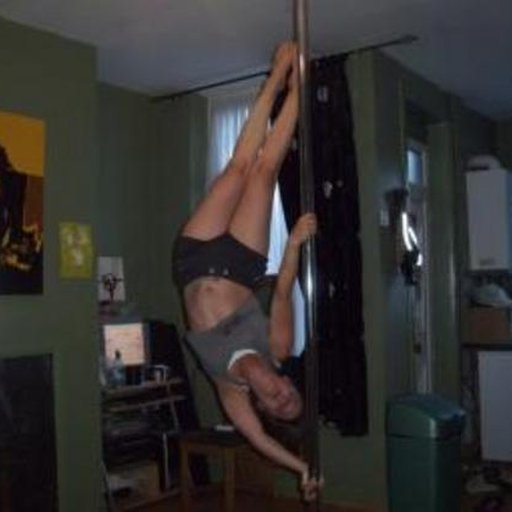
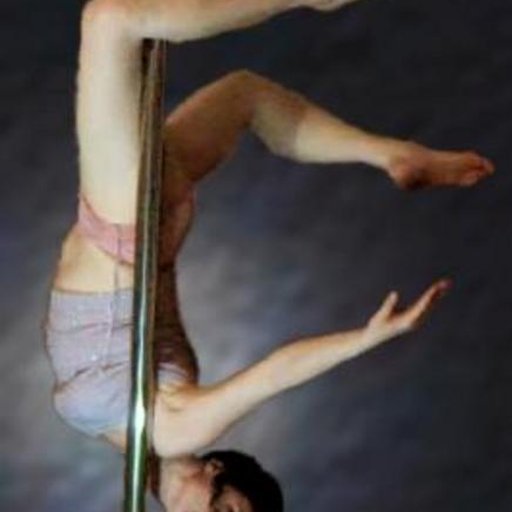
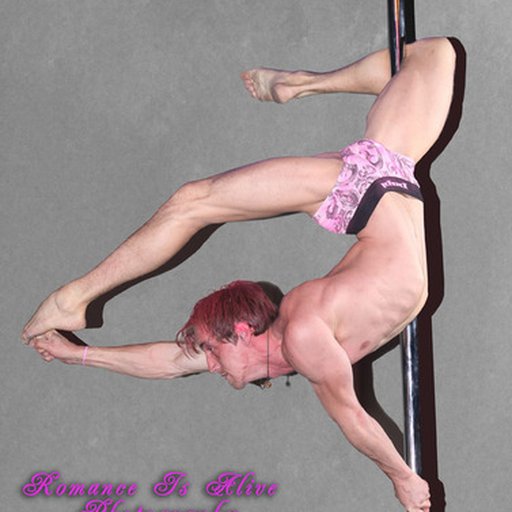
So the way I perform this move is that I get into inverted crucifix position, put both my hands on the pole near one-another with thumbs facing down and push out from the pole, not up. After pushing myself out, then I begin pushing up while simultaneously pulling up with the thighs. My biggest problem learning this move was that I wanted to push upward first, not realising that this move wasn't exclusively a matter of shoulder strength, but that it engages the whole body, distributing its weight among various muscle groups working together. So after I have pushed out, and then elevated so that my chest is near the pole and my bum is sticking out, I use the elbow grip to let go of the pole with my legs, and move them to a higher position, so that I am in inverted crucifix position again and ready to push out from the pole a second time to repeat the process.
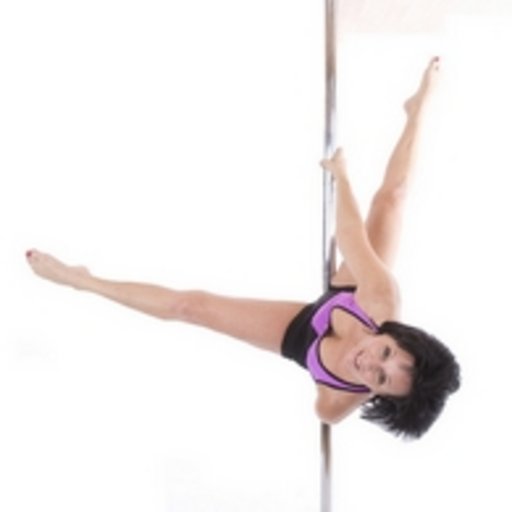
For myself, I will share that the key that unlocked the upper body strength moves for me was the cartwheel mount handspring. After I got that move, then I had enough confidence to hold myself away from the pole upside-down in other positions, like Aysha and Straight Edge. Personally, I like the split grip and the twisted grip for performing Aysha and Straight Edge on a static pole, because the "wow factor" is a little higher for these, and they allow you to move with a little more control and freedom. I do, however, like to use the elbow grip to do a grossly extended Aysha where my back and hips are level with the floor. And I will use ONLY the elbow grip for Ayshas on the spinning pole, because otherwise I fear losing my top bracket throwing myself right off of the pole, or not being strong enough to keep balanced.
Last, I wanted to address overhand grips which were talked about in this thread. These are grips where the top bracket has the thumb pointed downward. Maybe there are others who find these grips, such as the "true grip" (both thumbs down) and the "Chinese Grip" (both thumbs facing each other) easier than myself, but I think these are the most unstable and physically taxing grips possible. Try a cartwheel mount handspring with the overhand grip and you might understand. My experience with those grips is that I can get myself up, but I have to be mentally prepared to make an impromptu landing, because otherwise, I will fall. If a grip is needed that requires less physical exertion, the elbow and forearm grips are great for that. But still, working for these moves in split and twisted grips is a worthy goal with a big payoff!