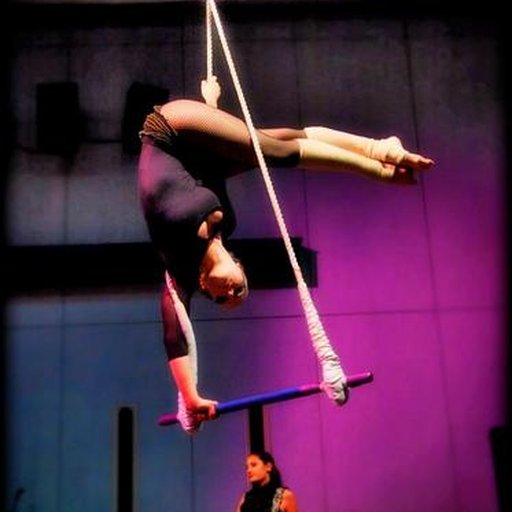
A video would be helpful, even if only you watch it. Often, I found that I think I am doing something a very specific way, only to find that when I see myself on video that my mental picture differs from reality. Being square is really important with these stretches. And definitely listen to your body!
So, I realized after I typed up my response that I used the cue of back arching/back neutral. This is a poor cue on my part because it's the rotation of the hips that will help you find a psoas stretch. It works for me because back position is often dictated by the position of the hips. However, I feel like the hips are ground zero in this case. If the hips are tilted forward, the back is naturally in an arched position and there will be minimal stretching on the psoas. The rotation of the hips back (posterior tilt) is a good way to find a psoas stretch, so maybe think about the hip rotation more than you think about back position. In a kneeling lunge with 90 degree angles on both legs, I can get a pretty intense psoas stretch by adjusting my hip rotation from neutral to tucking tailbone under, similar to Pilates imprint position if you are familiar with that. Once in this position, try just pushing the hips forward to deepen the stretch. If you have a tight psoas, you will feel it with almost no forward movement, assuming the tail bone is tucked under and the hips are square. Definitely pad the knee on the floor! If you can find the stretch in this basic move, it will be easier to transition the same principles of hip rotation to other stretches. It's that same pulling of the hip forward that Veena mentioned, but thinking about it as a rotation instead.
Intense stretching for the psoas is not going to be relaxing. By relaxing other parts of your body, you could be cheating your stretching efforts, usually by allowing improper alignment of the rest of your body. It's a big strong muscle, potentially with adhesions/trigger points if you already know it's tight, so I wouldn't expect to get huge results with relaxed stretching of the psoas.