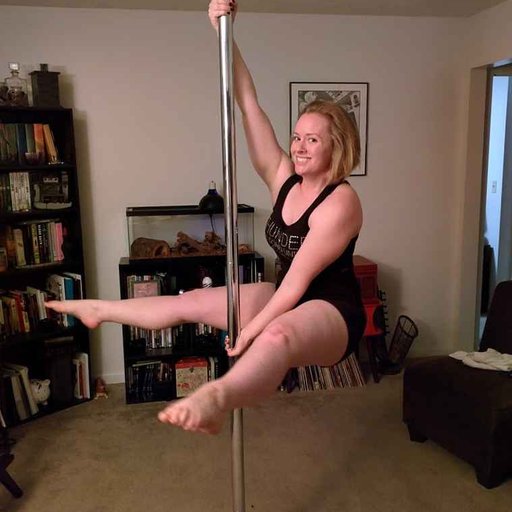
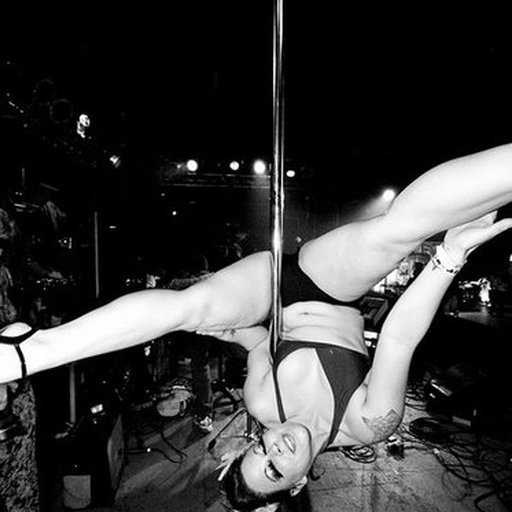
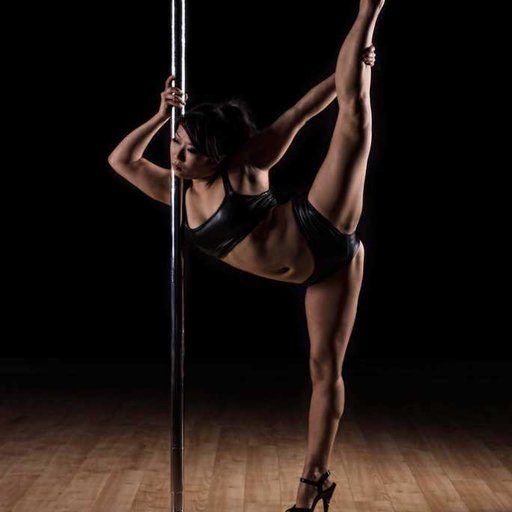
Well, for the longest time x-pole, platinum stages and Lil' Minx made only made a 50mm poles. There are a lot more brands of poles now then there were then but these were three readily available in the U.S.
There are different schools of thought on smaller diameter poles but initially when the 45 mm became available, most polers agreed that working on a 50 mm pole to start with developed better strength before moving to a 45 but this was very subjective.
It is my understanding that research has shown that the use of smaller diameter poles results in far less injury over time to certain muscle groups. I will try and dig up the article I last read about it, its been a long time since I have seen it. Perhaps I have it saved somewhere?
At any rate, for leg intensive moves, 50 mm tends to be more comfortable, while smaller diameters such as 45's and 38's make hand grip and more advanced moves more stable. I learned on and owned 50's then moved to 45's. Overall I prefer the 45, but it really comes down to personal preference. There is nothing wrong with using a 50 mm.
I think most people will tend to agree that the industry standard changed due to hand sizing. People with small or more petite hands often had much more more difficulty on a 50mm than those with bigger hands and there were a lot of complaints about being able to grip the pole. As a whole, since studios and competitions have so many different sized users, it was considered more practical sense to use 45 as the standard.
As far as 38's go, I don't know much about the history of pole sizing in Australia. As far as I know that is just the size that was typically used over there. 50 to 45 isn't a huge difference, but its still noticeable. I have had the pleasure of working on a 38 and all I say is WOW! for handgrip and owWW!!!! for leg moves! A 38 made me feel like an absolute beast!!!! I felt like I could hold on forever. So there are a lot benefits to learning on a 38. With each size there are benefits and cons but all in all it comes down to personal preference when choosing a pole for home use. Oh, and we haven't even begun to discuss pole finishes! lol!
To answer your last question, Australia (at the time I entered pole world) was a forerunner in pole art in that it had become a lot more mainstream there before it did in the U.S. I came in late 2009 and although pole had gained a lot popularity it was still very taboo and not the mainstream so ultimately most of what came from the U.S came from dancers in clubs. In the U.S, the first organized competition as I understand it was held in 09' i think? So ultimately I think that once Australia was definitely a leader of trends, but now that pole has become more mainstream worldwide, I don't necessarily think that is the case. We have seen a large new wave of tricks and ability levels that have far surpassed what we thought was the "ultimate" back in 2010. So many moves and combos have been created and with the influx of formerly trained dancers, gymnasts etc, things have soared to new heights, excuse the pun.
Please note, Pole dance is still relatively new, its not like we have a history book or encyclopedia and I don't claim to be an expert That being said, I have answered as correctly as I can based on my experience and what I have learned in pole world over the last few years. Hope this helps.
Just thinking out loud here, but if pole dance is still around in 100 years I wonder if we will have pole historians? Wouldn't that be something?!