As someone currently writing up a PhD thesis that's related to motor learning*, I can confirm that having skills and losing them is 100% normal in the learning process. When you learn something new the way you do it will be subtly different all the time, and things like your balance point, which muscles you use, the exact positioning of your limbs, etc, etc will vary wildly. This is because your brain needs to work out exactly how to activate itself to get you to do the move, and it does so through trial and error.
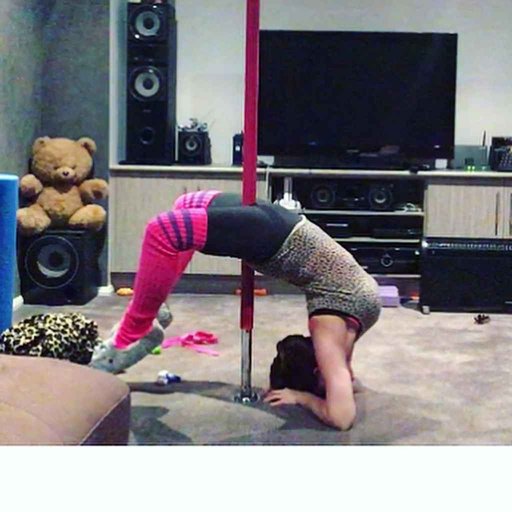
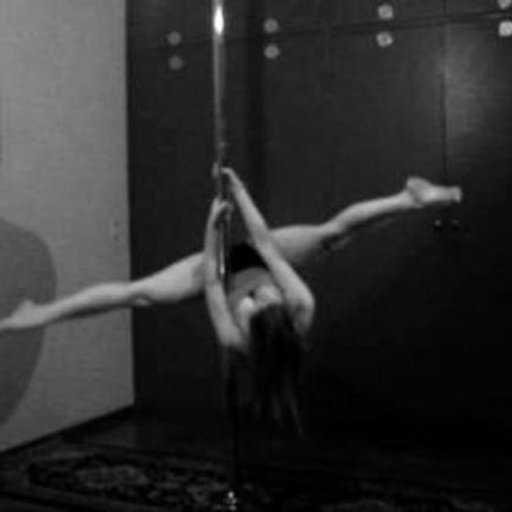
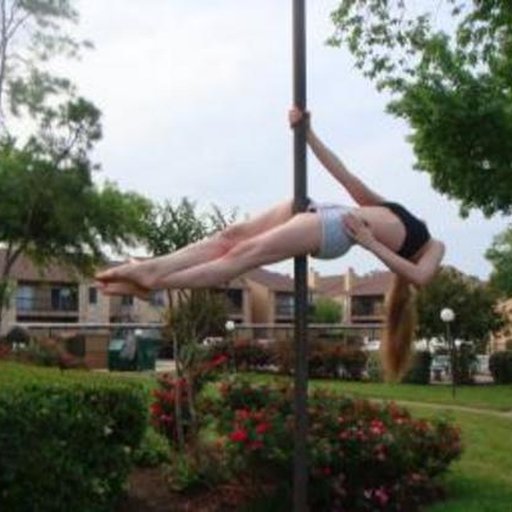
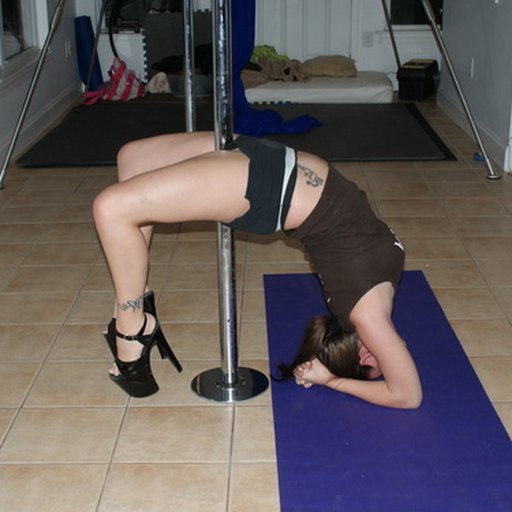
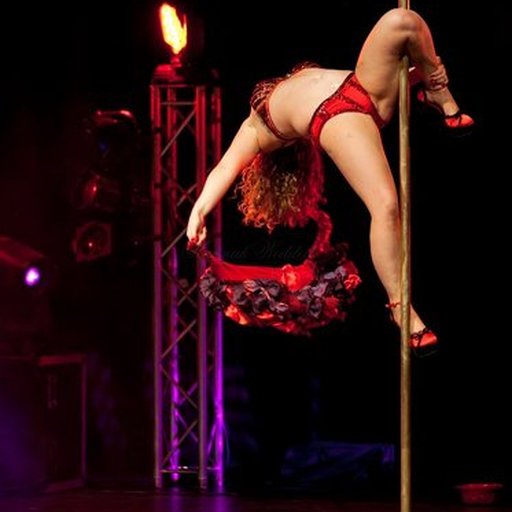
In something like a gemini, you won't really notice how variable you are, because you have a huge margin for error where you can do it completely differently but still stick to the pole, and the only difference is in your lines. So even a reasonably large difference in how you do the trick will still technically be a gemini. In an aysha or a cartwheel, your balance is much more precarious so even a small variation will cause you to fall down.
The thing about learning a lot of skills very quickly (which is something I do too) is that it means that from a neurological point of view, you probably haven't mastered a lot of them. You need to keep repeating, and repeating, and repeating until all the variability goes away and your brain can give stable, consistent instructions to your muscles. Even then, every time you move to a different pole, lose or gain weight, get more flexible, get dehydrated, etc, it will make you more variable again. So you keep practicing, and gradually your brain gets better at compensating for all of those factors and you really master a move.
Personally, I can say that although I can aysha and sometimes cartwheel, I am still months away from mastering them. I face the same problem that I think you do that I get a big payoff for learning new tricks, but find it harder to feel happy about my improvements in fluidness, confidence, or consistency. And I wonder if you're as unfairly hard on yourself as I am on myself. So what do we do?
Amy's suggestion of working on some dance is a good one, because you haven't mastered any trick until you can work it into a dance. I can tell you now that while I'm advanced in terms of just getting up and doing tricks, I'm a solid intermediate when it comes to incorporating anything into dance. And almost still a beginner at free dancing. Seriously, the other day I inverted, got into a pole handstand and just froze up and didn't know what to do next. But incorporating tricks into dance will really help your brain learn to do them in different contexts.
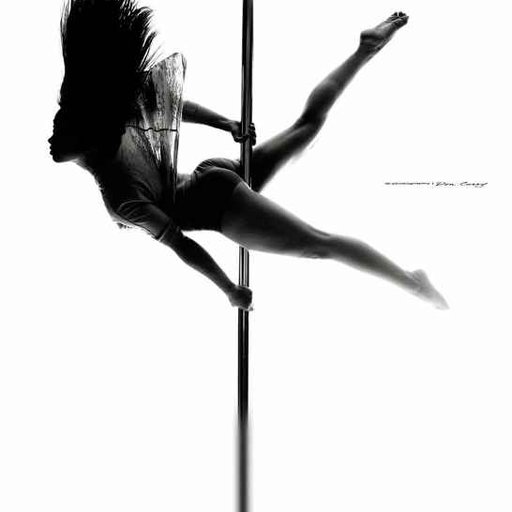
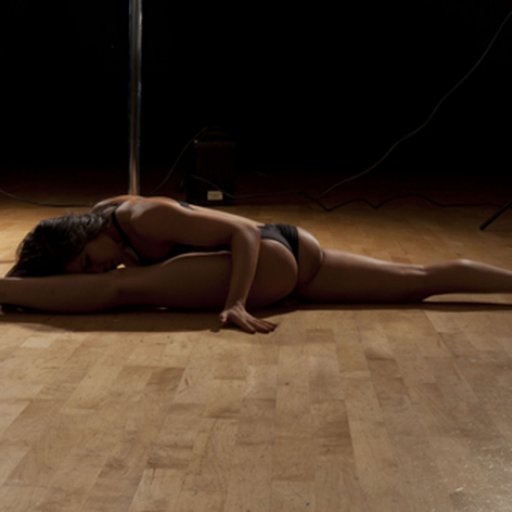
Also, video your dancing and combos, watch them back and black out the backgrounds on pictures like you already do. That will help you to notice your improvements in dance skills, and in your lines. I don't know how you black out the backgrounds, but I start out by drawing a black outline aroung myself in Paint.net which helps me really notice my lines. Hopefully that will help you to feel a sense of achievement out of mastering new moves as well as just learning them.
* I hope this all makes sense. I'm trying to recall Esther Thelen's fascinating work on dynamic systems theory as it relates to infant motor development and apply the theory to poledancing, so I hope I didn't get too cringe-inducingly pop science, or conversely too confusing. Incidentally my PhD is looking at dynamic systems theory as it applies to children's speech.
Sorry for the novel, but this is a really interesting topic to me. Sending lots of encouragement your way, and remember this is a totally normal part of the learning process.