

30 Days To Flexy: Day 12

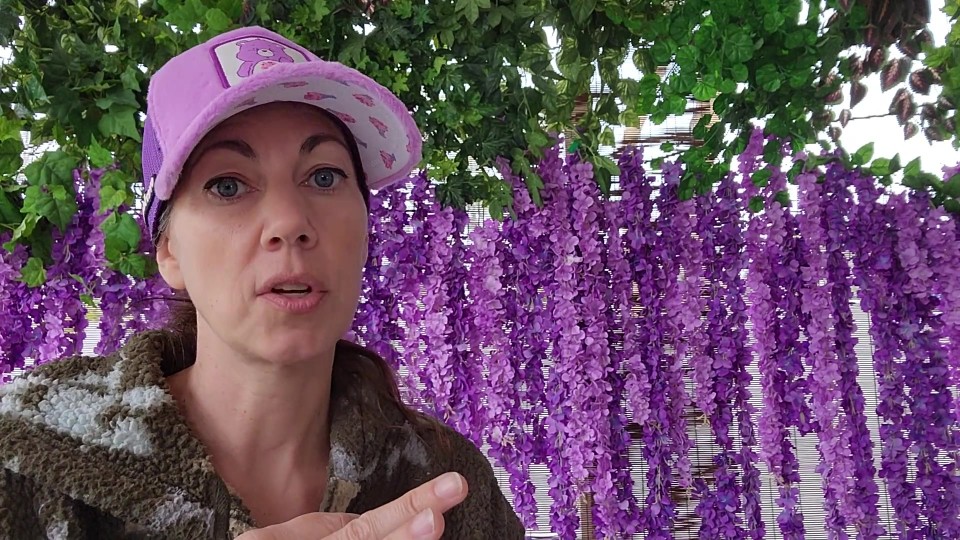
Duration: 00:39:40
Today is a rest day and I decided to share my RANT to remind you that caring for your body is just as important as learning new pole tricks and improving flexibility. If you neglect this aspect of training, injuries, frustration and slow progress are inevitable. Always consult your medical professional if you have injured yourself. This is not medical advice!
Let’s recap the 8 points of self-care as a pole dancer:
1. Bruising: Learn what excessive bruising is for YOUR body and understand how to prevent it. Please understand when I talk about excessive bruising, I’m referring to individuals who do not have any underlying health conditions that cause bruising.
2. Self talk: Understanding and becoming aware of your thoughts and how you speak about your pole practice matters. Don’t judge yourself when you go down a negative path. Instead be grateful you recognized it and then take steps to work towards change. Things that can help you in this journey are:
- JOURNALING
- MEDITATION
- MINDFULNESS
3. Massage: Angry fascia, knots and tight muscles along with mental stress can often be reduced if you allow time for massage. Here’s a list of different methods of massage:
- POLE – This is my Pole massage routine https://www.studioveena.com/tutorial/pole-massage-routine-live-lesson-1081/
- FOAM ROLLER – If you need guidance on how to foam roll you can find tutorials here https://www.studioveena.com/categories/stretching-exercises/
- PEANUT – I take mine whenever I travel!
- TENNIS BALL or LACROSSE BALL – You can find these easily, you might even have one laying around.
- MASSAGE CHAIR – I used to have one, I loved it.
- MASSAGE PILLOW – Here’s an inexpensive one, I’m not sure of the quality. https://amzn.to/3Wt21rM
- MASSAGE CANE – This one is similar to the one my husband and I have https://amzn.to/4hlqSFI
- PROFESSIONAL MASSAGE – It’s worth treating yourself now and then!
4. Rest days: If you’re a student of mine, I hope you’ve seen the benefits of having rest days. Also, in addition to resting the muscles, relaxing the mind allows our nervous systems to recover too. This is very important if you deal with mental health issues, are hypermobile or neurospicy.
5. Social media breaks: If you have a tendency to doom scroll or compare yourself and your pole skills with others, put down the phone! Instead of wasting your life by watching others, learn a new skill, try new hobbies, gather in person, spend quality time with yourself.
6. Anti-inflammatory foods:
- Berries
- Fatty fish
- Broccoli
- Avocados
- Green tea
- Peppers
- Mushrooms
- Grapes
- Turmeric
- Ginger
- Extra virgin olive oil
- Dark chocolate and cocoa
- Tomatoes
- Cherries
7. Heat: Heat is incredible for sore muscles and aiding in healing injuries, both acute and chronic. Ways to use heat are listed below:
- SAUNA
- HOT BATH
- HOT SHOWER
- HOT TUB
- HEATING PAD
- HOT WATER BOTTLE
8. Cold: Gone are the days of recommending ice for injuries. While I believe using ice immediately is key in treating acute injuries, I only do this once, as soon as possible after an injury occurs. If you’re a fan of ice baths, go for it. Just make sure to track if it’s offering a positive or negative effect on your training. We’re all different so it’s important to do what’s right for YOUR body.
Even though this is our first focus on gaining flexibility in the back, I notice a big difference in my back mobility from before I started this program. I’ve never been able to grab both feet during the bow flex before. I really love this program and am feeling great in my 52 year old body! Thanks Veena!
I have lower back lordosis and overall spinal hypermobility, so if anything as you say strength is more important. If there any way of modifying the backbends to avoid collapsing into them? or should I focus on contracting abs and posterior tilting my pelvis? I tend to pink at lumbar/sacral level and it’s caused minor nerve injuries in the past which I want to avoid.
pinch* sorry!
To protect your low back focus on lifting through the upper spine first, think “lift the chest up” then lean back. You will also contract the muscles along the spine, your abs and squeeze the butt. Lifting with the chest first will help take force off the low back if you do it correctly. I think I talk about that in the upper back stretch.
To protect your low back focus on lifting through the upper spine first, think “lift the chest up” then lean back. You will also contract the muscles along the spine, your abs and squeeze the butt. Lifting with the chest first will help take force off the low back if you do it correctly. I think I talk about that in the upper back stretch. Oh and before you start the process, keep the hips pushing forward don’t arch the low back sticking the butt out.
That was tough but good . I did that lying chest stretch and I really thought I couldn’t until I did it
This is a general question. If I do a workout right before starting the flexy classes – like a strength training day in Beginner 1 – should I still do the warmup in these flexy days? Thanks!
No additional warm up would be needed if you did any activity right before.💜